
Build a Team That Makes the Business More Capable

There comes a point in growing a business when the owner can no longer be the person who knows everything, decides everything, solves everything, and keeps everything moving.
At first, being at the centre of the business may be one of your greatest strengths.
You know the customers.
You understand the work.
You make decisions quickly.
When something goes wrong, people come to you and you know what to do.
But as the business grows, that strength can gradually become a constraint.
Your team may be growing, but too many decisions still depend on you. People may have responsibilities without enough authority. Important knowledge may live mostly in your head. Delegation may create more questions instead of greater capacity.
And you may find yourself carrying a business that was supposed to become more capable as it grew.

The Willing Student Company is a six-month coaching program for small business owners who want to strengthen how they lead, develop greater capability within their teams, and reduce unnecessary dependence on themselves as the business grows.
Because building a team isn't simply about having more people.
It's about building a business that can do more without everything depending on you.
Growth Changes What Your Team Needs From You
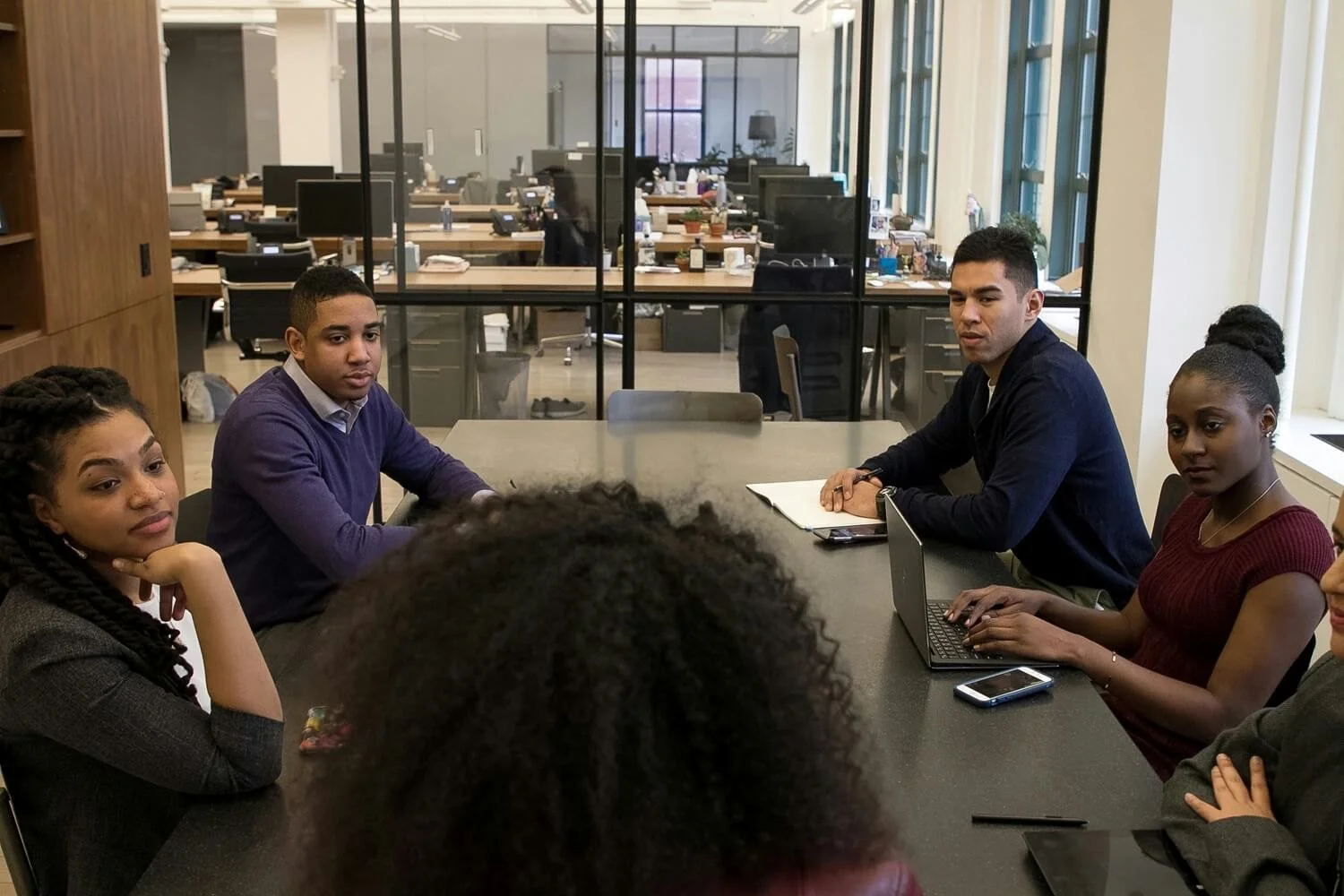
Leading a small team can be relatively informal.
People talk frequently. Everyone knows what is happening. Responsibilities overlap. Problems get solved as they arise. The owner fills the gaps.
That flexibility can work extremely well.
Until it doesn't.
As the business grows, informal ways of working begin to come under pressure.
People need greater clarity about their responsibilities.
Decisions need to happen without everything travelling through the owner.
Knowledge needs to move beyond the people who happen to hold it.
Communication becomes more important.
Accountability becomes more complicated.
And the owner has to learn when to step in, and when to create room for someone else to lead.
The challenge isn't necessarily that you have the wrong people.
The business may have outgrown the way the team has been working.
Hiring People Doesn't Automatically Create a Team

One of the things I've learned is that bringing talented people together doesn't automatically create a capable team.
People need to understand what they're responsible for.
They need to know what decisions they can make.
They need enough context to exercise good judgment.
They need to understand how their work contributes to what the business is trying to accomplish.
And they need an owner who is willing to let capability develop rather than remaining the answer to every question.
That's harder than it sounds.
I've had to learn this myself.
There have been times when I've believed I could go it alone. Sometimes working independently still comes naturally to me.
But I've also learned what happens when you surround yourself with people who bring perspectives, abilities, and questions that you don't have on your own.
A good team doesn't simply give the owner more hands.
It gives the business more capability.
That distinction matters.
From Owner Capability to Organizational Capability

Many growing businesses begin with the capability of the owner.
You know how to sell.
You know the customers.
You know why things are done a particular way.
You know which exceptions matter.
You know how to recognize good work.
You know what to do when something unusual happens.
But if that knowledge, judgment, and decision-making remain concentrated in you, adding employees doesn't necessarily reduce the business's dependence on you.
Sometimes it increases it.
More people create more questions.
More communication.
More decisions.
More coordination.
More things for the owner to oversee.
That's why team development isn't simply about getting people to perform better.
An important question is:
What does the business need to learn to do without me?
That doesn't mean making yourself irrelevant.
It means becoming more deliberate about where your leadership genuinely adds value, and where someone else's capability needs room to grow.
What We'll Work On

The Willing Student Company is built around the practical team and leadership challenges emerging as your business grows.
This isn't a rigid curriculum. We begin with your business, your team, and the leadership challenges you're actually navigating.
Depending on what's happening, our work may include:
Roles and Responsibilities
Who is responsible for what?
Where are responsibilities unclear, duplicated, or still unnecessarily dependent on you?
We'll explore where greater clarity could help people take more meaningful ownership of their work.
Delegation
Delegation isn't simply handing someone a task.
We'll examine what you're delegating, what you're holding onto, why certain responsibilities keep returning to you, and what someone else needs in order to take genuine responsibility.
Because sometimes delegation fails not because someone is incapable.
They may never have been given enough context, authority, or room to become capable.
Decision-Making
Which decisions genuinely require you?
Which ones could happen elsewhere?
And what does your team need to understand in order to exercise good judgment without constantly seeking your approval?
The objective isn't fewer decisions.
It's better decisions happening at the appropriate level of the business.
Communication
As a business grows, people can't rely on knowing what's in the owner's head.
We'll explore how priorities, expectations, decisions, feedback, and important information move through the business.
Because communication isn't simply about saying more.
It's about helping people understand what matters and what happens next.
Trust and Accountability
Trust and accountability aren't opposites.
People need room to exercise judgment, but they also need clarity about expectations and responsibility for outcomes.
We'll explore how your leadership can create enough room for people to contribute without creating uncertainty about who owns what.
Team Capability
What does your team already know how to do?
Where is capability underused?
Where does it need to develop?
And where might you be unintentionally preventing capability from developing because it feels faster or easier to do something yourself?
Owner Dependence
Where does the business still stop when you stop?
We'll explore where your involvement creates genuine value and where it has simply become the way things have always been done.
The goal isn't to remove you from the business.
It's to make your involvement more intentional.
Your Team Doesn't Need to Become You

When you've built a business yourself, it can be easy to judge other people's work against how you would have done it.
Sometimes that's necessary. Standards matter.
But sometimes another person can reach a good outcome differently.
Building capability requires learning the difference.
Your team doesn't need to think exactly like you.
They need to understand the business well enough to exercise judgment within it.
That means giving people context, expectations, feedback, responsibility, and room to learn.
And sometimes it means allowing someone to solve a problem differently than you would have solved it yourself.
If everyone has to become you before you can trust them, the business will always need you at the centre.
The Owner Has to Learn Too

Team development isn't only about developing employees.
It asks something of the owner.
You may need to become clearer about expectations.
More deliberate about communication.
Better at giving feedback.
More comfortable allowing other people to make decisions.
More willing to share knowledge that previously lived in your head.
More thoughtful about when to intervene.
And more honest about the responsibilities you're reluctant to release.
That's where becoming a willing student becomes particularly important.
Because building a more capable team isn't simply about asking other people to change.
The owner has to learn how to lead a business in which other people are capable too.
How The Willing Student Company Works

The Willing Student Company is a six-month coaching program delivered through 12 private, 60-minute coaching sessions held every two weeks.
The regular coaching conversations are with you, the business owner.
That's intentional.
This is not a program where we come into your business and try to fix your team for you. Our work focuses on helping you examine how you're leading, understand where capability needs to develop, make deliberate changes, and learn from what happens when you apply those changes inside your business.
Between sessions, you'll put what we're exploring into practice.
You might delegate a meaningful decision.
Clarify someone's responsibility.
Give a team member greater authority.
Change how you communicate an expectation.
Create room for someone else to solve a problem.
Step away from something that no longer needs your involvement.
Or simply observe how often decisions return to you, and why.
Then we bring that experience back into our next conversation.
What did you try?
What happened?
What did you learn?
What needs to change now?
Because you don't learn how to lead a growing team by talking about leadership.
You learn by leading one.
The Team Is Where the Learning Gets Tested

Although our coaching relationship remains primarily with you, your team is an important part of the learning process.
Not because we're trying to turn them into coaching clients.
But because the changes you're making as a leader happen in relationship with real people.
When you delegate differently, someone experiences that.
When you create clearer decision-making boundaries, someone has to exercise judgment within them.
When you communicate differently, your team responds.
When you stop solving every problem yourself, other people have to develop the capability to solve more of them.
That's where we discover whether what you're changing is actually helping the business become more capable.
The program also includes one optional 90-minute team working session where direct team participation would meaningfully support the work we're doing together.
The team doesn't become the focus of the coaching relationship.
The team becomes part of what you're learning from.
Six Months Gives Us Time to Learn From What Happens

Changing how you lead a growing team takes more than understanding a few good ideas.
You have to try something.
See what happens.
Discover what you misunderstood.
Recognize what worked.
Notice where old habits return.
Have conversations.
Give someone room.
Sometimes step back in.
And then adjust.
That's why The Willing Student Company takes place over six months.
The time between our conversations isn't time away from the program.
It's where much of the learning happens.
Over those six months, we'll move through repeated cycles of:
Lead. Apply. Observe. Learn. Adjust. Lead differently.
Not because leadership follows a perfect sequence.
But because becoming a different kind of leader requires practice.
What You Can Work Toward

Six months won't create a perfect team.
And the goal isn't to build a business that never needs you.
The goal is to become more deliberate about where the business genuinely needs your leadership and where it needs capability to grow beyond you.
Through the program, you'll work toward:
greater clarity about where the business depends unnecessarily on you;
clearer roles, responsibilities, and expectations;
more meaningful delegation of responsibility, not simply tasks;
better decision-making at the appropriate levels of the business;
stronger communication around priorities, expectations, and feedback;
greater confidence in allowing other people to exercise judgment;
a healthier relationship between trust and accountability;
greater use and development of capability already within your team; and
a clearer understanding of how your own leadership affects your team's ability to grow.
The measure of progress isn't whether you've removed yourself from the business.
It's whether the business has become capable of doing things that previously required you.
Who The Willing Student Company Is For

The Willing Student Company is designed for small business owners who already have a team and are beginning to experience the leadership complexity that comes with growth.
It may be particularly useful if:
too many decisions still come back to you;
you're struggling to delegate meaningful responsibility;
your team frequently needs your approval before moving forward;
roles or responsibilities have become unclear as the business has grown;
you're spending too much time solving problems other people could learn to solve;
important knowledge remains concentrated in you or a few key people;
communication becomes harder as the team grows;
you're unsure how much autonomy to give people;
your team has strengths that aren't being fully used;
you want people within the business to take greater ownership; or
you want the business to become less dependent on your constant involvement.
You don't need a large team.
The question isn't how many people work for you.
It's whether the business is becoming more capable because they're there.
What The Willing Student Company Is, and Isn't

The Willing Student Company is a coaching program about your leadership and the development of greater capability within your business.
We can work through the leadership challenges that arise as you delegate, communicate, develop people, distribute responsibility, and navigate the changing relationship between you and your team.
But this isn't outsourced people management.
We don't recruit employees, administer performance-management systems, conduct workplace investigations, provide employment-law advice, or manage your team for you.
There may be situations where your business needs specialized HR, legal, recruitment, mediation, or other professional support. When that's the case, we'll recognize the boundary.
Because the purpose of this program isn't to take responsibility for your team.
It's to help you become more capable of leading one.
The Investment
$6,000 CAD
The Willing Student Company is a six-month coaching program designed to help you strengthen how you lead, develop greater capability within your team, and reduce unnecessary dependence on yourself as your business grows.
Your investment includes 12 private, 60-minute coaching sessions held every two weeks, one optional 90-minute team working session, practical application and reflection between sessions, and email support throughout the program.
Pay in full: $6,000 CAD
Payment plan: 6 monthly payments of $1,000 CAD
Six months gives us time to do more than talk about leadership. It gives you time to lead differently, observe what happens inside your business, learn from the experience, and bring that learning back into our conversations.
Because the goal isn't simply to build a bigger team.
It's to build a more capable business.
You Don't Build Capacity by Carrying More

For many small business owners, growth initially means carrying more.
More customers.
More decisions.
More responsibilities.
More people.
More problems to solve.
For a while, you can compensate by working harder.
But eventually, something has to change.
The next stage of growth cannot simply mean putting more weight on the same shoulders.
Your team has to become part of the capability of the business.
That requires trust.
Clarity.
Responsibility.
Learning.
Judgment.
And leadership.
Not because you should disappear from the business.
But because a growing business needs to become capable of more than its owner can accomplish alone.
The goal isn't simply to build a bigger team.
It's to build a more capable business.